

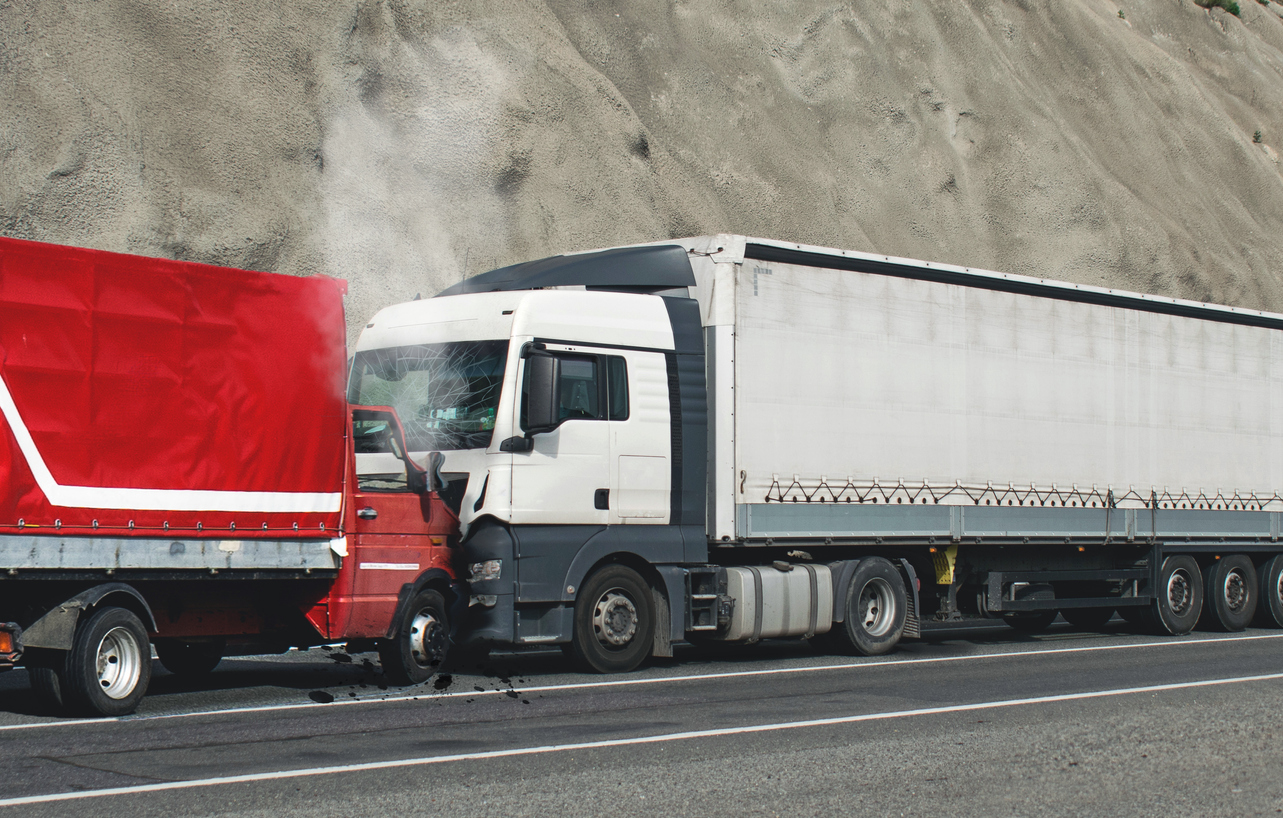
When most people hear the term “commercial vehicle,” they think of large trucks barreling down the highway. While semi-trucks are certainly commercial vehicles, the definition is much broader than many realize. Understanding what qualifies as a commercial vehicle matters for insurance coverage, liability, and—most importantly—your legal rights after an accident.
The Basic Definition of a Commercial Vehicle
A commercial vehicle is generally any motor vehicle used primarily for business or commercial purposes rather than personal use. These vehicles are operated to transport goods, materials, or passengers as part of a business operation.
Federal and state laws define commercial vehicles slightly differently, but most definitions focus on how the vehicle is used, not just its size.
In many cases, a vehicle is considered commercial if it is:
- Used to carry goods or passengers for payment
- Operated by a business or government entity
- Used as part of a company’s regular operations
Ultimately, whether a vehicle is considered commercial depends less on what it looks like and more on how it is being used at the time.
Common Types of Commercial Vehicles
Commercial vehicles come in many forms.
Some of the most common include:
- Semi-trucks and tractor-trailers
- Delivery vans (Amazon, FedEx, UPS, USPS, etc.)
- Box trucks and moving trucks
- Dump trucks and construction vehicles
- Tow trucks
- Garbage trucks
- Buses and shuttle vans
- Company cars used for work purposes
- Rideshare vehicles when actively transporting passengers
Even smaller vehicles—such as pickup trucks or sedans—can qualify as commercial vehicles if they are being used for business purposes at the time of an accident.
Why Commercial Vehicle Classification Matters After an Accident
If you are injured in an accident involving a commercial vehicle, the classification of that vehicle can significantly impact your case.
Commercial vehicle accidents often involve:
- Higher insurance policy limits
- Multiple potentially liable parties (driver, employer, vehicle owner, maintenance company)
- Additional safety regulations and compliance requirements
- More complex investigations
Because businesses are legally responsible for the actions of their employees while on the job, an injured person may be able to pursue compensation not only from the driver but also from the company that owns or operates the vehicle.
Commercial vs. Personal Vehicles: What’s the Difference?
The key difference between commercial and personal vehicles is purpose.
A personal vehicle is used primarily for everyday, non-business activities—such as commuting, errands, or family travel. A commercial vehicle, on the other hand, is being used to further a business interest.
For example:
- A delivery driver dropping off packages is operating a commercial vehicle.
- A plumber driving a company van to a job site is operating a commercial vehicle.
- A rideshare driver actively transporting a passenger may be operating a commercial vehicle.
This distinction can affect which insurance policies apply and how liability is determined.
Are Commercial Vehicle Accidents More Dangerous?
Commercial vehicle accidents are often more severe than typical car accidents. Larger vehicles require longer stopping distances, have larger blind spots, and can cause devastating injuries when collisions occur.
Victims may suffer:
- Spinal cord injuries
- Broken bones
- Internal organ damage
- Traumatic brain injuries
Because of the stakes involved, commercial vehicle accident claims (especially those involving truck accidents ) are often aggressively defended by insurance companies and corporate legal teams.
Contact a Florida Commercial Vehicle Accident Lawyer at Shaked Law Firm, P.A. for a Free Consultation
A commercial vehicle is not just a “large truck.” Any vehicle used for business purposes may qualify as a commercial vehicle, and that classification can have a major impact on your accident claim.
If you or a loved one has been injured in a commercial vehicle crash, contact Shaked Law Firm, P.A. today at (305) 937-0191 for a free consultation. Our Florida commercial vehicle accident lawyers can help you understand your legal options.
Shaked Law Firm, P.A.
20900 NE 30th Ave STE 705
Aventura, FL 33180
(305) 937-0191
*Relocated across the street from Aventura Hospital.
Available 24/7

Sagi Shaked is the founding attorney of Shaked Law Firm, P.A., a Florida-based practice focused on serious truck accident cases. As a Board Certified Civil Trial Lawyer, Sagi is nationally recognized for his legal advocacy, having recovered multi-million-dollar verdicts and settlements for injured victims and their families. He is known for his relentless pursuit of justice on behalf of those harmed by negligence.
He represents clients in complex trucking collision cases involving 18-wheeler accidents, blind spot accidents, brake failure accidents, jackknife accidents, among others.
Click here to view some of the notable case results Sagi has achieved for his clients.
Location: Aventura, Florida, serving statewide.
Justia / Avvo/ LinkedIn / Facebook / Instagram / X /